
NIST Vulnerability Management Framework: What It Is And Why
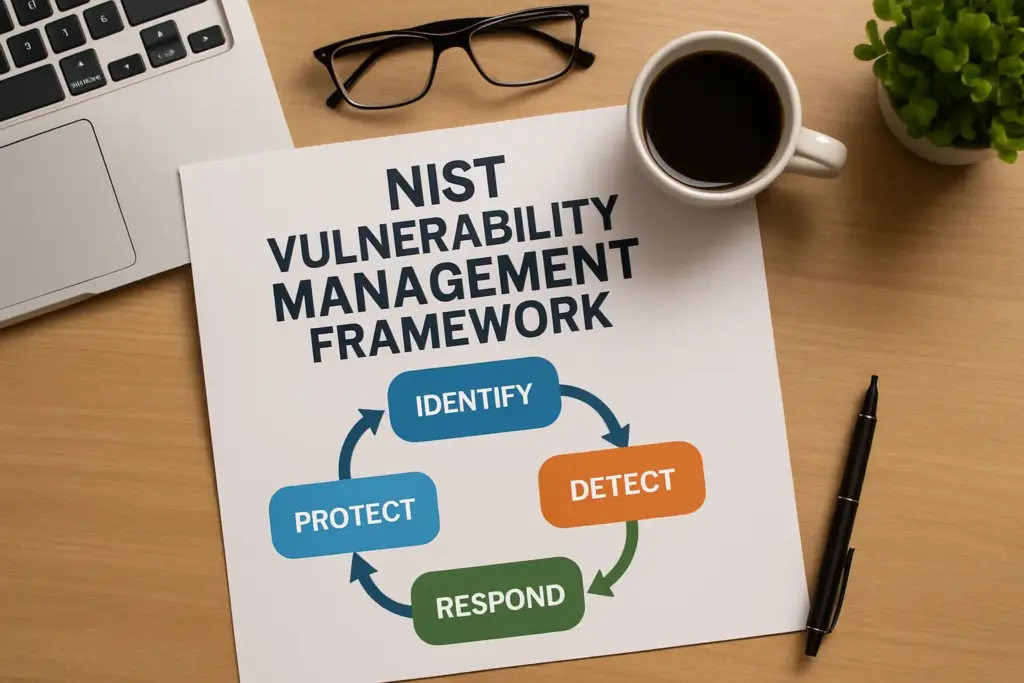
Most organisations know they need to manage vulnerabilities. Fewer know how to do it in a structured, repeatable way that actually holds up under scrutiny. That’s where the NIST vulnerability management framework comes in: a set of guidelines and publications from the National Institute of Standards and Technology that provides a clear methodology for identifying, […]
ICO Data Breach Reporting: Timelines, Thresholds, Steps (UK)

When a personal data breach hits your organisation, the clock starts immediately. Under UK GDPR, you have 72 hours to complete your ICO data breach reporting, and that window is tighter than most businesses realise. Miss it, and you could face enforcement action, fines, or reputational damage that far outweighs the original incident. Getting the […]
ISO 27001 Security Awareness Training: Key Requirements (UK)

Most organisations pursuing ISO 27001 certification focus heavily on technical controls, firewalls, encryption, access management. But the standard is explicit: your people need to understand their role in protecting information. ISO 27001 security awareness training isn’t optional or nice-to-have. It’s a compliance requirement baked into multiple clauses of the standard, and auditors will check for […]
NIST Penetration Testing Guidelines: SP 800-115 In Practice
NIST SP 800-115 remains one of the most referenced frameworks for planning and executing security assessments, yet many organisations struggle to translate its guidance into practical, repeatable processes. If you’re searching for NIST penetration testing guidelines, you likely need more than a summary of the document; you need a clear understanding of how to apply […]
Network Penetration Testing Guide: Types, Phases, And Tools
A network penetration testing guide matters because too many organisations treat pen testing as a checkbox exercise, something they do once a year to satisfy an auditor, then forget about it until the next review. That approach leaves gaps. Real attackers don’t follow audit schedules, and the businesses that understand this are the ones that […]
Disaster Recovery Explained: Steps, Methods, And RTO/RPO
When a ransomware attack encrypts your files or a server failure takes your operations offline, the clock starts ticking. Every minute of downtime costs money, erodes customer trust, and puts your business at genuine risk. Having disaster recovery explained clearly, and, more importantly, planned properly, is what separates organisations that bounce back from those that […]
ISO 27001 Scope Definition: How To Set Your ISMS Boundaries
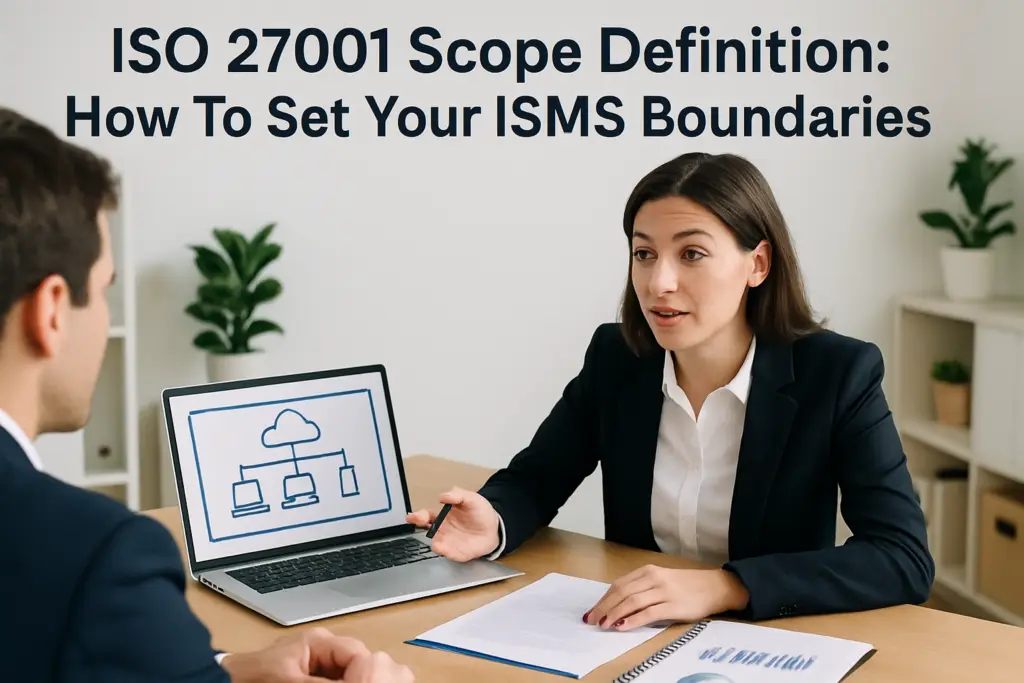
Getting your ISO 27001 scope definition right is one of the most consequential decisions you’ll make during ISMS implementation. Define it too broadly, and you’ll drown in controls, audits, and costs that don’t match your risk profile. Define it too narrowly, and you’ll leave critical assets exposed and give auditors a reason to challenge your […]
Incident Response Roles And Responsibilities Explained

When a cyber incident hits, the difference between a controlled recovery and chaos often comes down to one thing: whether your team knows exactly who does what. Clearly defined incident response roles and responsibilities aren’t just a box-ticking exercise; they’re the backbone of every effective response plan. Without them, critical actions get duplicated, missed, or […]
ISO 27001 Certification: How To Achieve It Step-By-Step

Getting ISO 27001 certified is one of the strongest signals you can send to clients, partners, and regulators that your organisation takes information security seriously. But figuring out how to achieve ISO 27001 certification, from scoping your Information Security Management System (ISMS) to passing the Stage 2 audit, can feel overwhelming, especially if you’re doing […]
How To Implement Data Governance: A Step-By-Step Roadmap
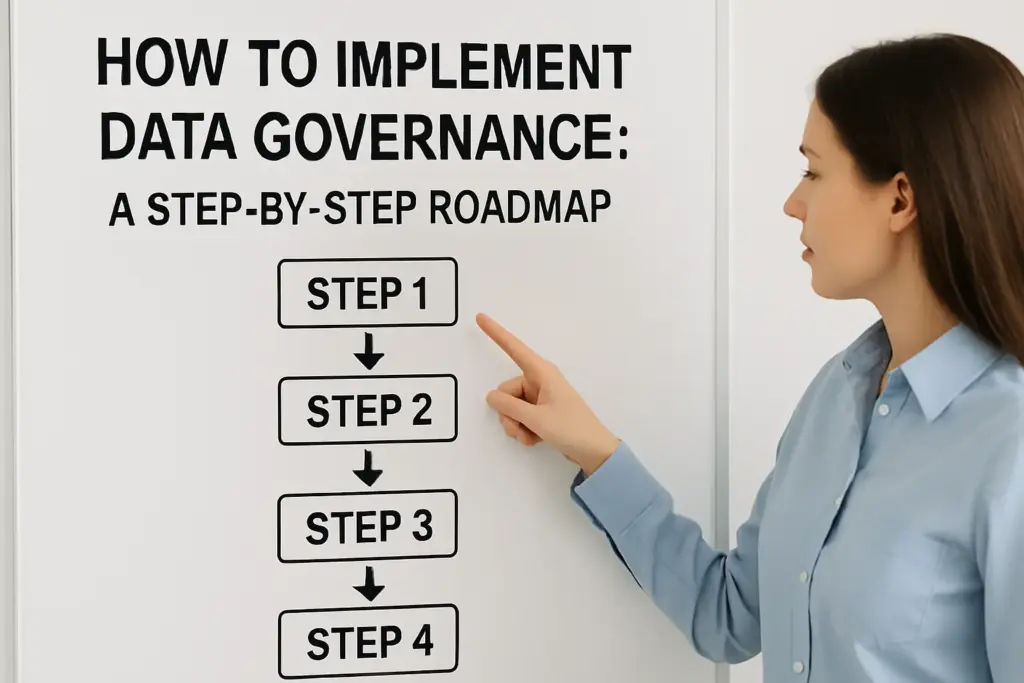
Most organisations don’t struggle with data governance because they lack ambition. They struggle because no one owns it, no one defines it clearly, and everyone assumes someone else is handling it. The result? Duplicated data, inconsistent policies, compliance gaps, and security blind spots that leave the business exposed. Understanding how to implement data governance properly […]
