NIST Incident Response Lifecycle: The Phases Explained
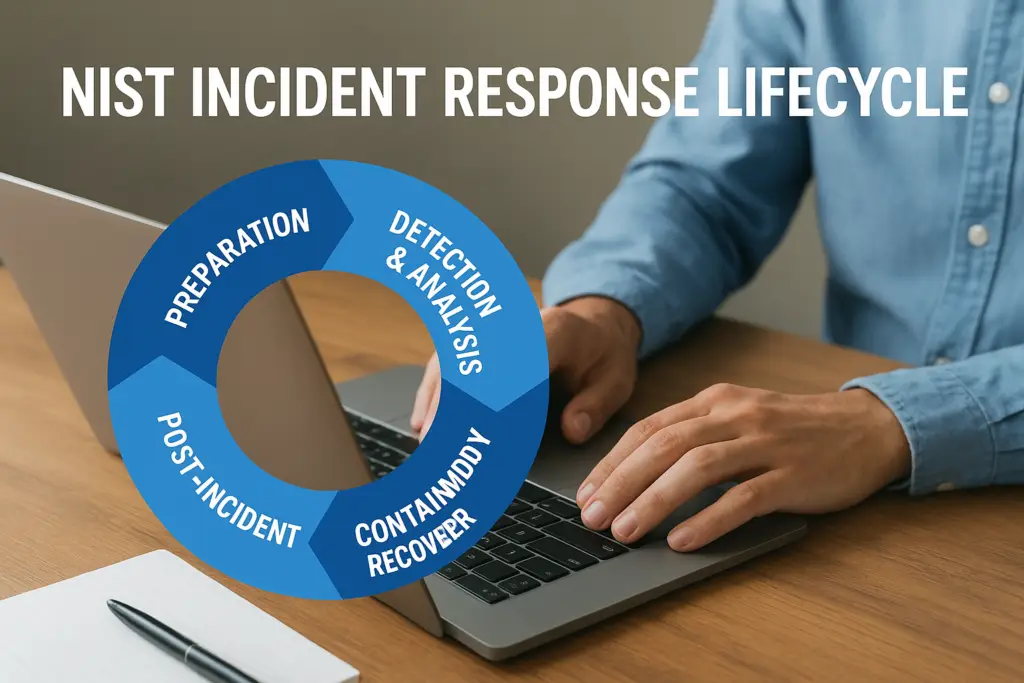
When a breach hits, the difference between a controlled recovery and a chaotic scramble usually comes down to whether you had a plan before the alarm went off. The incident response lifecycle nist framework gives you exactly that: a structured, repeatable approach that turns panic into process. It’s the reference point most UK businesses lean […]
Data Protection by Design: What It Is & How to Implement It
If you’re building a new system, launching a product, or rolling out a process that touches personal data, you’ve probably hit this question: what is data protection by design, and does GDPR actually require it? The short answer is yes. Article 25 of the UK GDPR makes it a legal obligation, not a best practice […]
Business Continuity Managed Services: What They Are & Why They Matterg

A ransomware attack, a server room flood, a botched software update. Any one of these can stop your business trading within hours, and most SMBs discover their recovery plan has gaps only after the damage is done. If you’re researching business continuity managed services, you’re probably already aware that internal IT teams rarely have the […]
Disaster Recovery Plan Roles and Responsibilities Explained

When a server goes down, ransomware locks your files, or a flood takes out your data centre, the technical fix is only half the battle. The other half is knowing exactly who does what. A disaster recovery plan roles and responsibilities framework fails more often from confused ownership than from missing technology. If nobody knows […]
Data Breach Response Steps: A Step-By-Step Guide
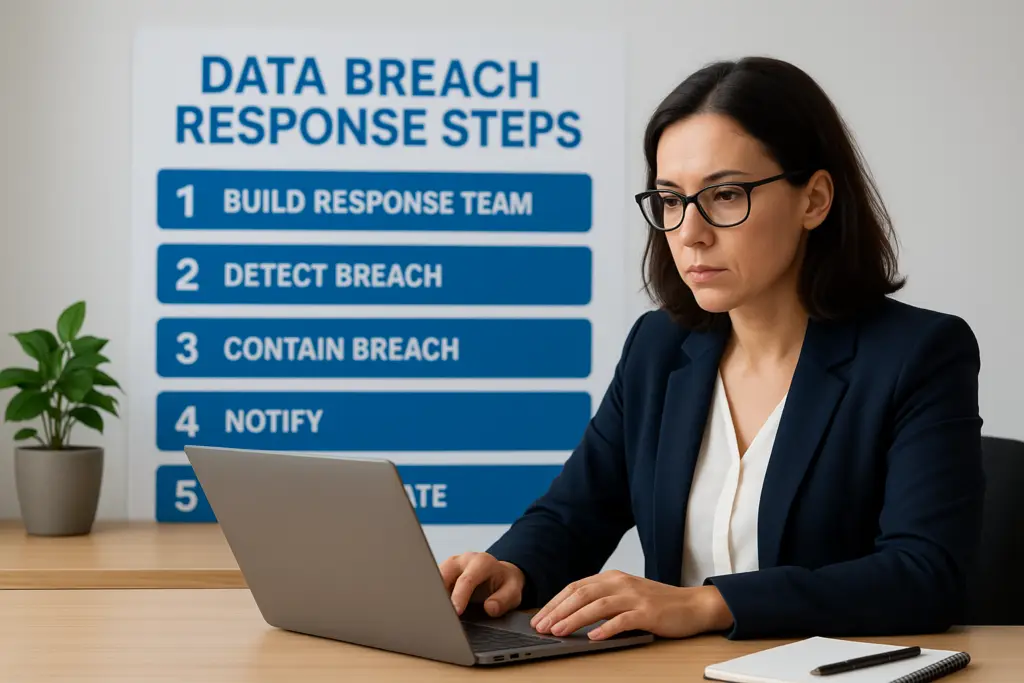
You’ve just discovered unusual activity on your network, or worse, someone has told you your customer data is already for sale online. Every minute you spend deciding what to do next adds risk, and mistakes made in the first hour often cost more than the breach itself. Knowing the right data breach response steps before […]
Cyber Security Training for Small Businesses: What It Is & Why It Matters
One phishing email is all it takes. Your accounts team clicks a fake invoice link, and suddenly you’re dealing with stolen credentials or worse. This is exactly why cybersecurity training for small businesses has moved from nice-to-have to essential. Most SMBs don’t have a dedicated IT security team, which means every employee is effectively your […]
Data Breach Response Plan Template: How to Build Your Own
A breach doesn’t wait for you to figure out who does what. If your team is still assigning roles and drafting customer emails three hours after discovering an attack, you’ve already lost the window that matters most. That’s why so many businesses search for a data breach response plan template: they want a structure they […]
Phishing Simulation Best Practices: 9 Steps For UK SMEs
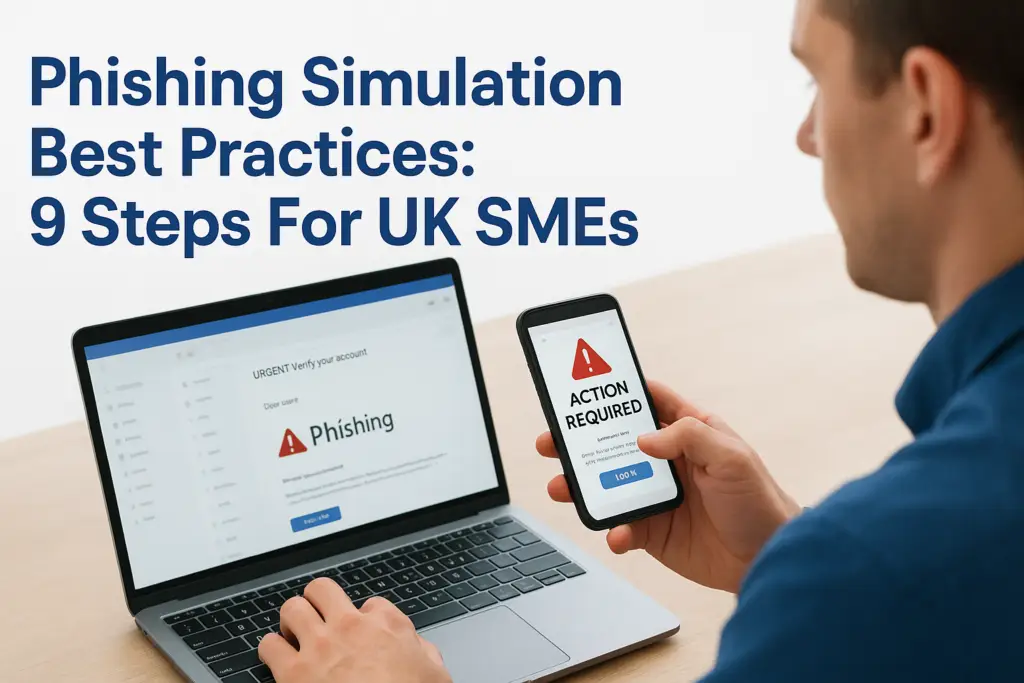
One phishing email is all it takes. A single click on a fake invoice or a spoofed login page can hand an attacker access to your entire network, and most UK SMEs only find out after the damage is done. That’s why phishing simulation best practices matter so much right now: attackers are getting sharper, […]
Data Breach Response Best Practices: 8 Steps For UK SMEs
A data breach rarely announces itself with sirens. It usually starts with a strange login alert, a supplier asking why they’ve been emailed twice, or an employee reporting a phishing email they’d already clicked. Within hours you’re deciding what to tell customers, whether to call the ICO, and how much time you actually have. Data […]
How to Maintain ISO 27001 Certification: 8 Best Practices

Getting your ISO 27001 certificate is the easy part. Working out how to maintain ISO 27001 certification through three years of surveillance audits, staff turnover, and shifting risks is where most organisations struggle. Certificates get suspended not because businesses fail to care about security, but because nobody owned the ongoing admin once the champagne wore […]